2026/1/4 9:23:21
In the value chain of the apparel industry, the garment tag serves as a highly symbolic physical node. It is not only an indispensable compliance element in product circulation but also a bridge that facilitates the first deep connection between brands and consumers at the retail end. From a mere piece of paper with labeled information to a composite carrier that integrates identity recognition, aesthetic expression, digital interaction, and sustainable commitment, the evolution of the garment tag is essentially a miniature history of brand marketing and consumer relationship evolution. In today's era, which emphasizes the full-chain experience, the strategic value of the garment tag is being redefined. It has been elevated from an appendage to an integral key component of brand identity and has become a core interactive node driving changes in consumer experience.
The fundamental function of a clothing tag is to serve as an information cornerstone for building product legitimacy and trust. As the core presentation medium of Part 4 (Textiles and Clothing) of the national mandatory standard "Instructions for Use of Consumer Products", the tag must clearly and accurately display the following seven elements: manufacturer information, product name, fiber composition and content, maintenance methods, implementation standard number, safety category, and place of origin. The rigor and transparency of this information directly constitute the legal foundation for safeguarding consumer rights. A tag with complete information and standardized printing is the first proof of a brand's professionalism and responsible attitude. It addresses the basic questions of "what is this" and "how to care for it", and is the starting point for building market trust. Any omissions in this process may trigger legal risks and damage brand reputation.
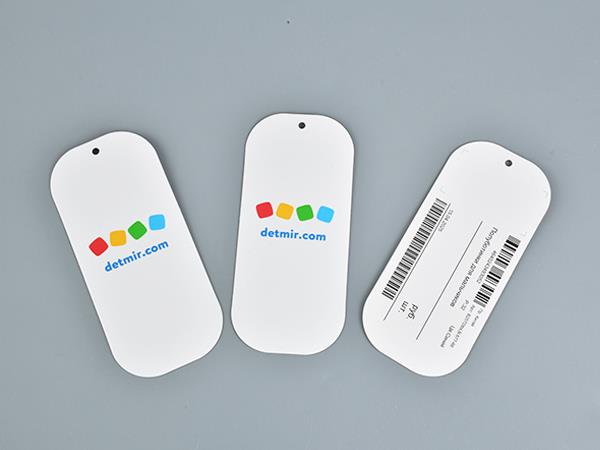
Beyond mere compliance, the garment tag serves as a condensed expression of the brand's aesthetic language and value proposition. Before consumers even touch the fabric, the material, craftsmanship, and design of the tag already convey the brand's taste and positioning. Tags made from high-quality specialty paper, cotton soft card, or recycled paper pulp inherently convey quality and environmental protection concepts through their tactile feel. Exquisite craftsmanship such as hot stamping, embossing, laser hollowing, and metal hangers showcases the brand's craftsmanship and luxury within a small space. The layout design, font selection, and color system of the tag must be highly consistent with the brand's visual identity system (VIS), becoming a mobile billboard. Through the dual experience of sight and touch, it silently reinforces and distinguishes the brand image in the retail setting, endowing the product with emotional value and symbolic meaning beyond its physical form
Amidst the wave of digitalization, clothing hangtags are evolving into intelligent portals that bridge online and offline experiences. By integrating QR codes, AR recognition patterns, or NFC chips, static hangtags are transformed into dynamic entries into the brand's digital world. Consumers can access a wealth of extended content with a simple scan or touch: it could be a transparent traceability story of the fabric from source to finished garment, enhancing trust; it could be a short video of the designer's interpretation of inspiration or a virtual try-on and matching scene, boosting engagement; or it could directly lead to the exclusive pages of online stores, member communities, or sustainable development projects. This "Phygital" (physical + digital) fusion greatly extends the narrative space of products, transforming a one-time purchase into a long-term customer relationship, making hangtags an important touchpoint for accumulating user data and achieving precise interaction.
Facing global sustainability issues, clothing hangtags have become an important manifestation and platform for brands to practice their environmental protection concepts. More and more brands are undergoing green innovations across the "full lifecycle" of hangtags: in terms of materials, they are opting for FSC-certified paper, biodegradable materials, and even seed paper; in terms of craftsmanship, they are using soy ink for printing and eliminating plastic laminating; in terms of structure, they are adopting plastic-free hanging strings (replacing them with cotton threads or paper strings) and simplifying packaging. Some innovative designs even transform hangtags into reusable bookmarks, postcards, or plant tags, giving them a "second life". These measures not only tangibly reduce the environmental footprint but also vividly and sincerely convey the brand's values through consumer-perceivable and participatory details, transforming sustainable development from a macro report into a micro consumer touchpoint experience.
In summary, the modern clothing tag is a multi-dimensional strategic tool. It integrates legal compliance documents, brand aesthetics carriers, digital experience portals, and sustainable development tokens. Its design and management require cross-departmental collaboration among brand owners - legal departments ensure compliance, design departments shape aesthetics, marketing departments plan digital content, and supply chain departments implement sustainable materials. An excellent clothing tag is a microcosm of the brand's systematic capabilities.
In future trends, clothing hangtags may integrate more sophisticated sensors to record the carbon footprint information of products or provide personalized maintenance reminders; their interactive forms will also become more immersive with the development of new technologies such as the metaverse. However, their core role will not change: they will always be the most tangible and perceivable "business card" that brands present at key moments in the consumer journey. Investing in deep thinking and innovative design of clothing hangtags is investing in the complete communication of brand value, the long-term establishment of consumer relationships, and the key details for building differentiated advantages in fierce market competition. This small square hanging from the collar is witnessing and driving a profound transformation in the clothing industry from "manufacturing products" to "shaping a complete brand experience".