2026/1/4 9:25:49
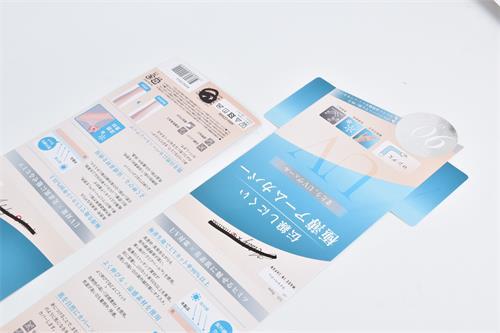
In the dazzling array of merchandise, after our eyes have swept past the ornate color-printed outer boxes and exquisite mounted gift boxes, we are often drawn to and reassured by a seemingly plain yet crucial element inside - that is, the paper card. It may be a sturdy inner tray supporting the entire set of makeup brushes, an exquisite tag adorned with jewels, or a simple instruction card inside an electronic product box detailing simple steps. Paper cards, these functional carriers based on paper or cardboard, processed through die-cutting, printing, surface treatment, and molding, may not always be the central protagonist on stage, but they are the indispensable cornerstone and wisdom that constitute a complete brand experience and ensure product value and safety.
The core value of paper cards is firstly reflected in their irreplaceable functionality. As an internal lining and structural support, high-strength paper cards with good stiffness, such as gray-backed white board cards and Dutch boards, can be precisely die-cut and folded to tailor-make a sturdy "nest" for products. Whether it's preventing glass bottles from colliding during transportation or neatly organizing parts of various shapes into compartments, paper cards provide reliable structural protection. They greatly reduce the reliance on plastic inner trays, aligning with the trend of environmental protection. As an information carrier, paper cards serve as the "instruction manual" and "letter of trust" for direct dialogue between brands and consumers. From ingredient lists, usage guidelines, safety warnings, to brand stories, design concepts, and certification logos, these key information are clearly printed on paper cards, becoming an important way for consumers to understand products and build trust. A well-designed instruction card can significantly reduce the rate of after-sales inquiries and enhance user experience.
However, in modern business, paper cards have long surpassed their purely functional level and evolved into a key touchpoint and design extension for brand building. Their design language must be highly unified with the overall packaging style and brand tone. A clothing tag made of high-end art paper, complemented by a hot-stamped brand logo, instantly enhances the texture and grade of the product; a cake base card printed with exquisite illustrations and cut into a unique shape makes the dessert itself a part of the artwork. Paper cards provide another canvas for brands to express creativity and convey value. By choosing different paper textures (such as rough-textured cotton paper, smooth pearlescent paper), innovative die-cutting shapes (such as irregular openings, hollowed-out perspectives), and local glazing or embossing processes, paper cards can create surprises at the moment of unboxing, reinforcing the brand's aesthetic style and level of attention to detail.
From the perspectives of cost and efficiency, paper cards demonstrate remarkable flexibility and economy. Compared to intricately molded plastic inner trays, paper cards require lower mold costs and shorter production cycles, making them particularly suitable for small to medium-sized batches or rapidly iterating products. Their lightweight nature effectively reduces overall packaging weight and logistics costs. More importantly, the primary raw material for paper cards originates from renewable forest resources and is inherently easy to recycle and degrade, serving as a direct manifestation of brands' commitment to environmental protection and response to consumers' preference for green consumption. Using FSC (Forest Stewardship Council) certified paper to produce paper cards further underscores the brand's social responsibility.
The application scope of paper cards is extremely broad. In electronic product packaging, it serves as a framework to support the main unit, separate accessories, and carry quick guides. In the cosmetics industry, it acts as an elegant substrate to secure bottles and cans, display color shades, and convey information about ingredient safety. In food packaging, especially for high-end pastries and chocolate gift boxes, it serves as both a hygienic barrier and a display platform to enhance visual aesthetics. In toy and stationery packaging, it is often designed as an interactive and detachable card to add playful fun. Even in commercial promotion, a thick, crisp, and well-designed paper card can itself serve as an invitation, catalog, or brand image card, possessing independent communication value.
In summary, despite its small size, a paper card embodies immense design wisdom and commercial considerations. It serves as a balancer between functionality and aesthetics, an optimizer of cost and effectiveness, and a practitioner of brand quality and environmental protection concepts. In today's era, where comprehensive experiences are valued, neglecting the design and quality of paper cards will undoubtedly leave a regret in the perfect product concept. An excellent paper card, like a silent yet reliable partner, supports the brand's image in subtle ways, quietly laying the foundation of trust in every user interaction.