2026/1/4 10:05:30
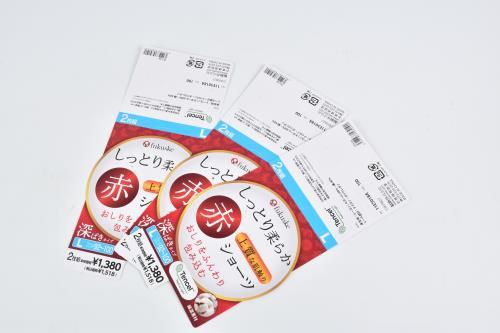
In the world of packaging, there exists a special carrier that serves as an information plate, brand emblem, and structural component - the label card. Unlike the colorful outer box that attracts the eye with its large-area colors, or the intricately mounted inner box that showcases luxury with its heavy material, the label card is often the first and closest touchpoint for consumers. From the care label on the back of clothing, to the tag with detailed specifications on electronic products, to the exquisite instruction card attached to beauty bottles, the label card, with its delicate form, carries the product's identity, safety commitment, brand narrative, and compliance responsibilities. It serves as a crucial information hub and value amplifier, connecting the physical attributes of the product with market perception.
The core mission of label paper cards lies in the precise, compliant, and permanent conveyance of information. In a global market where regulations are increasingly stringent, label paper cards serve as the "identity card" for the legal circulation of products. They must clearly and durably display mandatory content such as product name, ingredients, specifications, production date, shelf life, origin, implementation standards, safety warnings, and manufacturer information. The choice of material and printing process directly affects the reliability of the information: in humid environments (such as cosmetics and frozen foods), waterproof and oil-resistant synthetic paper or laminated copperplate paper is required; in environments where frequent friction or exposure to chemicals is necessary (such as industrial parts and detergents), scratch-resistant PVC or PET materials may be selected, combined with resin ribbon printing, to ensure that the information remains legible throughout the product's lifecycle. This pursuit of "permanent records" is the fundamental characteristic that distinguishes label paper cards from ordinary packaging paper cards, and it also represents the bottom line for brands to fulfill their legal and social responsibilities.
Beyond mere compliance, label cards are an extension of brand aesthetics and texture at the micro level. An excellently designed label card serves as the "finishing touch". High-end clothing brand tags often choose cotton cards or art paper with a warm tactile feel, supplemented by processes such as hot stamping, embossing, and screen printing. Their texture itself speaks to the product's quality positioning. The neck label of perfume or fine wine, through exquisite die-cutting shapes, metallic ink printing, or embossing effects, becomes an indispensable part of the bottle design. The design of label cards must be highly consistent with the overall style of the product and the visual language of the main packaging, forming a harmonious brand visual system. Although small, it becomes a detail that consumers cannot ignore when examining and playing with the product due to its closeness to the product itself. The quality of its craftsmanship directly affects the instant judgment of the overall quality of the product.
In terms of functional integration, modern label cards demonstrate the wisdom of "one card for multiple purposes". They are not only carriers of information but are often designed as functional components of product packaging. For example, in "hanging card" packaging, the sturdy label card itself serves as the main body for hanging and display. Products are fixed to the card through blister covers, perforations, or card slots, and are widely used in toys, hardware tools, small electronic products, and other fields, combining protection, display, and retail convenience. Moreover, it also serves as an entry point for interactive and digital experiences. QR codes, anti-counterfeiting coatings, and NFC chips can be seamlessly integrated into the design of label cards. Consumers can scan them to jump to product traceability information, usage videos, official stores, or interactive marketing pages, achieving a smooth transition from physical products to digital services and greatly extending the user journey.
From ingredient labels on food and beverages, care labels on clothing, information plates on electronic products, to authentication cards for jewelry, the application of label paper cards covers almost all retail product categories. It requires close collaboration between brand owners, designers, and printing suppliers, balancing regulatory requirements, design aesthetics, material science, printing technology, and cost control within a limited space.
In summary, a seemingly unremarkable label card is actually a miniature brand combat unit. It shoulders multiple tasks such as compliance, communication, beautification, and interaction. In today's era where consumers increasingly focus on details and trust in their decision-making, neglecting the design and quality of label cards is akin to leaving a loophole in the final step of brand communication with consumers. An excellent label card establishes trust with precise information, enhances quality with exquisite details, creates convenience with clever design, and ultimately completes a crucial confirmation and sublimation of product value in the hearts of consumers.